The Importance of Comprehending the Addition Criteria in Company Formation Offshore Processes
Guiding with the complexities of offshore Company Formation calls for a strong understanding of inclusion standards. These standards determine qualification, influencing everything from governing conformity to tax obligation benefits. Entrepreneurs have to understand just how administrative variables play a function in this procedure. A lack of recognition can bring about costly mistakes. As organizations check out these waters, the effects of their choices become progressively significant. What specific elements should they focus on to guarantee an effective endeavor?
Specifying Addition Standard for Offshore Company Formation
When thinking about the formation of an offshore business, it is important to establish clear addition requirements that lead the decision-making procedure. These criteria offer as a fundamental structure, assuring that possible candidates for offshore Company Formation fulfill particular requirements. Typically, they may include aspects such as business's nature, the geographical location of operations, and the legal structures offered in different jurisdictions.
Inclusion criteria help improve the selection process, allowing entrepreneurs to concentrate on viable options that straighten with their critical objectives. Moreover, these standards can reduce risks associated with conformity, tax, and governing concerns in international markets. By specifying these criteria, local business owner can successfully assess their motivations for offshore Company Formation and warranty alignment with their lasting goals. Inevitably, quality in inclusion requirements fosters notified decisions, assisting in a smoother change right into the offshore company landscape
Trick Elements Influencing Eligibility
Eligibility for overseas Company Formation depends upon a number of vital elements that shape a business owner's capacity to successfully navigate this facility landscape. Initially, the person's monetary standing is important, as several territories require proof of enough capital to maintain a business and establish. Second, the nature of business plays a considerable duty; specific sectors may encounter constraints or extra policies in offshore settings. Third, the entrepreneur's residency condition can affect eligibility, with some jurisdictions preferring regional homeowners or needing specific licenses for international nationals. Additionally, conformity with anti-money laundering (AML) and know-your-customer (KYC) laws is necessary, as failure to meet these standards can disqualify applicants. Finally, the entrepreneur's experience and knowledge in global organization methods may influence their ability to fulfill the needed demands. Comprehending these variables is vital for anybody considering offshore Company Formation.
The Role of Jurisdiction in Incorporation Criteria
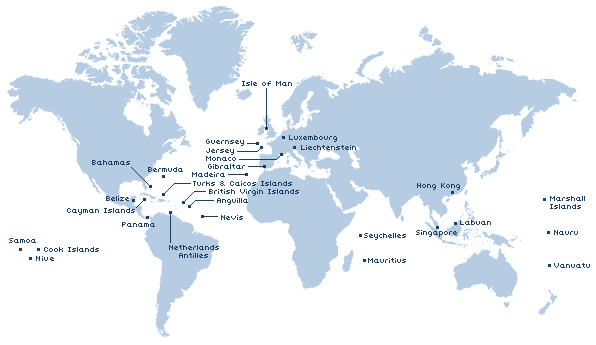
Territory plays a pivotal role in determining the inclusion requirements for overseas Company Formation, as various areas enforce unique guidelines and requirements. Each jurisdiction has its own legal framework that specifies that can establish an overseas business, the kinds of businesses allowed, and the requisite paperwork. Some jurisdictions might call for a minimal capital investment or particular qualifications for directors and shareholders, while others could have more lax needs.
Furthermore, the track record of a jurisdiction can affect the regarded authenticity of a company. Regions with well-established lawful systems and durable regulative frameworks tend to attract even more significant organization ventures, while others might be watched as tax sanctuaries or less credible. Recognizing these administrative nuances is vital for potential entrepreneurs, as the selected location can considerably affect functional effectiveness, compliance responsibilities, and total company success in the offshore landscape.
Tax Obligation Implications and Advantages
Tax ramifications play an essential function in offshore Company Formation, influencing both immediate monetary benefits and long-lasting approaches. Understanding readily available tax obligation motivations and making sure conformity with regional policies are vital for optimizing economic results. By purposefully steering through these elements, organizations can enhance their operational efficiency and sustainability in global markets.
Tax Obligation Rewards Introduction
While lots of business owners consider overseas Company Formation for numerous critical factors, understanding the tax incentives entailed is important for taking full advantage of benefits. Offshore jurisdictions typically supply desirable tax regimens, including low or absolutely no company tax obligations, which can especially improve earnings margins. Some areas give tax holidays or exemptions for specific sectors, motivating foreign investment. Additionally, specific nations might have double tax treaties, allowing services to avoid being taxed on the exact same earnings in multiple territories. Tax obligation motivations can additionally reach decreased capital gains taxes and exceptions for international income. By extensively evaluating these benefits, entrepreneurs can maximize their monetary approach and guarantee compliance with regional regulations while properly managing their global tax obligations.

Conformity With Laws
Offshore Company Formation provides a range of tax rewards, yet comprehending conformity with guidelines is just as important for entrepreneurs. Compliance assurances that companies adhere to local laws and international standards, which can greatly impact their operational success. Failure to conform may lead to severe penalties, including penalties and loss of permit. Entrepreneurs must know the details tax obligation commitments in their picked territory, as various areas use differing advantages and needs. Furthermore, understanding reporting criteria and anti-money laundering policies is important to avoid legal difficulties. By focusing on conformity, local business owner can enjoy the financial advantages of overseas formation while preserving a credible and lawful presence in the global market.
Long-term Financial Approaches
Establishing reliable long-lasting financial strategies is essential for business owners thinking about offshore Company Formation, specifically concerning tax obligation ramifications and advantages. By selecting territories with beneficial tax regimens, companies can substantially reduce their tax obligation burden and enhance capital. Recognizing local tax obligation laws, such as exemptions, credit scores, and reductions, plays a vital role in maximizing economic efficiency. In addition, approaches like earnings repatriation and transfer prices can better boost tax obligation performance. Business owners must additionally think about the potential impact of global tax obligation treaties, which may provide advantageous terms for cross-border operations. Ultimately, a well-structured financial approach, lined up with lawful conformity and regulative standards, not just cultivates lasting development however also provides an one-upmanship in the worldwide marketplace.
Governing Conformity Considerations
Regulatory compliance is a vital variable that should be pop over to this web-site thoroughly navigated during the development of an offshore firm, as failing to stick to regional regulations can result in considerable fines. Each territory has its own collection of regulations controling Company Formation, consisting of registration needs, tax responsibilities, and reporting standards. It is essential for business owners to thoroughly recognize these guidelines to guarantee their procedures straighten with legal expectations.
Strategic Business Planning for Offshore Ventures
Specifying Target Audience
Recognizing the target audience is a critical action in the strategic business planning process for offshore ventures. This procedure involves assessing prospective clients and their preferences, which notifies product advancement and advertising and marketing strategies. By understanding demographic aspects such as earnings, age, and place, businesses can customize their offerings to fulfill specific needs. Additionally, assessing market trends and customer actions assists in identifying gaps out there that the endeavor can make use of. Reliable division of the target market boosts the possibility for success by ensuring that sources are designated efficiently. Inevitably, a well-defined target audience facilitates a concentrated approach, enhancing the possibility of achieving affordable advantage and long-term sustainability in the overseas company landscape.
Compliance With Regulations

While steering with the complexities of overseas Company Formation, conformity with guidelines arises as a crucial consider making certain the venture's success. Sticking to local regulations and international standards not just mitigates legal threats however additionally improves the reliability of the service. Business need to be watchful pertaining to tax obligation responsibilities, licensing demands, and reporting requirements certain to their selected territory. Understanding anti-money laundering (AML) procedures and know-your-customer (KYC) guidelines is crucial for keeping functional honesty. Failure to comply can lead to charges, reputational damages, or perhaps dissolution of the firm. Subsequently, strategic business planning should include thorough conformity checks to protect versus possible pitfalls, eventually developing a strong structure for development and sustainability in the overseas sector.
Typical Pitfalls to Avoid in Offshore Company Formation
Many business owners forget crucial information when creating an offshore company, which can bring about substantial legal and economic effects. One common mistake is failing to perform extensive study on administrative regulations. Each overseas place has one-of-a-kind legislations that can impact service procedures. Business owners often ignore the importance of choosing the appropriate organization structure, which can impact responsibility and tax. Furthermore, neglecting to develop a reputable neighborhood existence, such as a registered representative, can cause problems throughout regulative conformity.
Another blunder includes not enough understanding of financial needs, which can cause account access concerns. Business owners may likewise overlook the value of preserving accurate documents, which is essential for openness and compliance. Poor legal advice can result in misinterpretation of the requirements, revealing the company to dangers. By staying clear of these challenges, entrepreneurs can boost their overseas Company Formation experience and guarantee lasting success.
Often Asked Questions
Can Foreign Individuals Kind Offshore Firms Without Local Collaborations?
The question of whether foreign people can develop offshore business without regional partnerships is complicated. Normally, many jurisdictions enable this, yet particular guidelines and demands may vary substantially depending upon the nation selected for consolidation.
What Paperwork Is Required for Offshore Company Formation?
The documents needed for overseas Company Formation normally includes identification proof, domestic address verification, company strategy, financial institution referral letters, and sometimes added regulatory forms, depending on the territory's certain legal needs and company structure picked. company formation offshore.
Are There Age Restrictions for Offshore Business Founders?
Age restrictions for overseas firm owners differ by territory. Normally, individuals have to go to least 18 years old to lawfully establish a firm. Some areas may have extra requirements or particular arrangements concerning age eligibility.
The length of time Does the Offshore Company Formation Refine Typically Take?
The overseas Company Formation process typically takes anywhere from a couple of days to several weeks. Elements influencing period include territory guidelines, required documents, and the efficiency right here of solution suppliers associated with the registration procedure.
Can I Change My Business's Addition Standard After Formation?
If altering a business's inclusion criteria post-formation was possible, the individual wondered. Typically, changes can be made, wikipedia reference yet this commonly calls for adherence to details lawful treatments and compliance with the regulations of the territory included.
By specifying these criteria, company owners can properly evaluate their motivations for overseas Company Formation and warranty placement with their lasting goals. Each jurisdiction has its own legal framework that defines that can establish an overseas business, the types of companies enabled, and the requisite documents. While lots of business owners consider overseas Company Formation for different tactical factors, recognizing the tax obligation motivations included is essential for making best use of advantages. Offshore Company Formation offers a range of tax rewards, but understanding conformity with guidelines is similarly vital for entrepreneurs. Establishing efficient long-term monetary methods is important for entrepreneurs taking into consideration overseas Company Formation, particularly relating to tax implications and advantages.
Comments on “How company formation offshore creates pathways for global trade”